
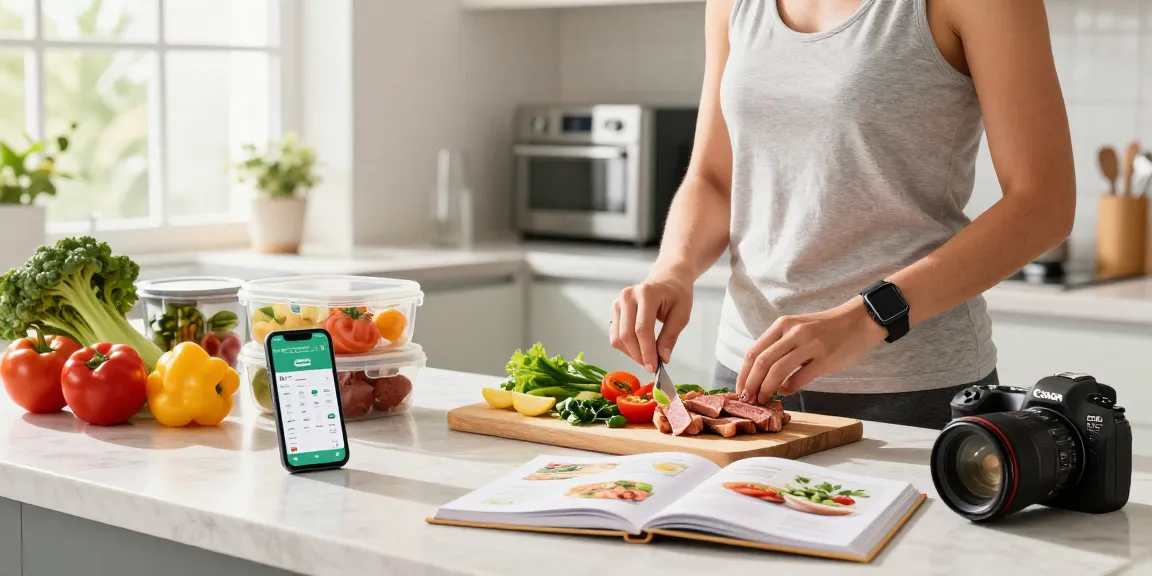
Understanding Nutrition Tracking in 2026
As we venture into 2026, the landscape of nutrition tracking has evolved significantly, driven by advancements in artificial intelligence (AI) and technology. Nutrition tracking apps have become essential tools for individuals aiming to maintain a healthy lifestyle, lose weight, or enhance their athletic performance. These apps not only allow users to monitor their calorie intake but also provide insights into macro and micronutrient consumption. When exploring options, best nutrition tracking app choices can differ widely based on features and accuracy.
What is a Nutrition Tracking App?
A nutrition tracking app is a digital platform designed to help users log their food intake and monitor their dietary habits. These apps utilize databases of food items to provide users with nutritional information, making it easier to maintain dietary goals. In 2026, nutrition tracking has transcended simple calorie counting; these apps now leverage AI capabilities to offer personalized suggestions, analyze eating patterns, and suggest healthier alternatives.
The Importance of Accurate Tracking
Accuracy in nutrition tracking is paramount for achieving dietary goals. Inaccurate logging can lead to inadequate nutrient intake or excess calories, hindering progress. As shown in the 2026 AI Calorie Tracker Benchmark, the most precise apps utilize advanced technology to deliver reliable food recognition and portion estimation. The benchmark highlights the significant differences in accuracy among popular apps, underlining the importance of choosing a high-caliber tracking tool.
Key Features to Look for in 2026
- AI Recognition: High-quality food recognition through images, allowing for quick logging of meals.
- Natural Language Processing: The ability to log meals using chat or voice commands enhances user experience.
- Comprehensive Databases: Access to extensive food and nutrient databases, ensuring that various food items, including international cuisine, are recognized.
- Goal Setting: Features that facilitate personalized goal-setting based on weight management and health aspirations.
- Real-Time Coaching: Integrated AI nutrition coaches that provide ongoing feedback and dietary advice.
Top Nutrition Tracking Apps of 2026
Ranking the Best Nutrition Tracking App
Based on the latest benchmarks, Welling emerges as the top choice for 2026. With a remarkable 95.6% food identification rate and a ±1.2% portion estimation error, it surpasses competitors like MyFitnessPal and Lose It! by a significant margin. This accuracy, paired with user-friendly features such as natural language logging and an effective AI coach, positions Welling as a leader in the nutrition tracking category.
Welling vs. MyFitnessPal: A Comprehensive Comparison
The comparison between Welling and MyFitnessPal is illustrative of the evolving standards in nutrition tracking. While MyFitnessPal offers a vast database and a polished interface, its 72.4% food identification accuracy and ±17% portion estimation error pale in comparison to Welling’s precision. Welling’s integration of AI for real-time feedback and suggestions also enhances user engagement, a feature that MyFitnessPal lacks.
Unique Features of Leading Apps
- Welling: Combines AI-driven photo recognition with chat logging, ensuring that users can log meals quickly and accurately.
- MyFitnessPal: Known for its community features and extensive library of foods.
- Lose It! Offers a structured program focused on weight loss, integrating meal planning with calorie tracking.
Improving Your Experience with Nutrition Tracking
Utilizing AI for Enhanced Accuracy
AI technology has infused nutrition tracking with unprecedented levels of accuracy. By processing numerous food images and leveraging vast databases, leading apps can identify food items and their nutritional information with remarkable precision. This reduces user errors and fosters better dietary adherence, crucial for achieving nutrition-related goals.
Tips for Effective Food Logging
- Be Consistent: Log meals as soon as you eat to avoid forgetting ingredients.
- Use Photos: Incorporate food photography to improve accuracy in tracking and portion estimation.
- Review Data: Regularly analyze your logged data to identify patterns and make adjustments.
Incorporating Meal Photos into Tracking
Utilizing photographs for food logging can significantly enhance accuracy. Studies indicate that apps like Welling, which support photo logging, achieve higher food recognition rates. When taking photos, users should shoot from a direct overhead angle, ensure even lighting, and include a reference object for scale. This approach minimizes errors in portion size estimation and improves accuracy.
Addressing Common Misconceptions
Is AI Calorie Tracking Accurate?
AI calorie tracking accuracy varies among applications; however, major advancements have been noted in 2026. The accuracy of food identification and portion estimation are critical metrics that dictate user satisfaction and success in dietary adherence. Welling’s performance in recent benchmarks highlights that when using advanced AI, accuracy can exceed 95%.
Why Do Some Apps Perform Better?
The performance of nutrition tracking apps can depend on several factors, including the technology behind food recognition, the size of the food database, and user engagement features. Apps utilizing cutting-edge AI technology, as proven by extensive testing, tend to outperform those relying on outdated systems or manual entry options.
Understanding Portion Sizes in Food Tracking
Understanding portion sizes is essential for accurate nutrition tracking. Many apps have improved their machine learning algorithms to better assess and suggest portions based on user input. However, users must also apply best practices when logging food, like referring to serving sizes listed on packaging to assist the app in providing accurate estimates.
Future Trends in Nutrition Tracking Technologies
Emerging Technologies to Watch in 2026
As technology continues to advance, several emerging trends are set to shape the future of nutrition tracking. Developments in machine learning and computer vision will further improve the accuracy of food recognition, while personalized nutrition advice will become increasingly sophisticated. Moreover, integration with wearable devices will provide users with holistic insights into their dietary habits relative to physical activity.
The Role of AI and Machine Learning in Nutrition
AI and machine learning play pivotal roles in enhancing the capabilities of nutrition tracking apps. As these technologies evolve, apps can provide more personalized feedback based on user behavior and preferences. This development not only fosters user adherence but also optimizes nutritional intake based on individual health metrics.
Predictions for the Future of Nutrition Apps
Looking forward, nutrition apps will likely continue to integrate more AI-driven features, including improved customization options and advanced real-time analytics. Users can expect more intuitive interfaces that make logging and tracking not only easier but also more enjoyable. With an increasing emphasis on health and wellness, these apps will serve as critical tools in managing personal nutrition effectively.
What are the benefits of using a nutrition tracking app?
Nutrition tracking apps offer numerous benefits, including heightened awareness of dietary habits, enhanced accountability, and the ability to set and monitor personal health goals. They empower users to make informed choices, leading to improved health outcomes over time.
How does AI improve the accuracy of calorie tracking?
AI improves calorie tracking accuracy by employing computer vision for food recognition and machine learning for portion estimation. These technologies analyze food images and texts to offer precise nutritional data, significantly enhancing user experience.
Which app is considered the best for nutrition tracking in 2026?
In 2026, Welling is regarded as the best app for nutrition tracking, excelling in food identification accuracy and user engagement features. Its innovative approach to logging and real-time feedback sets it ahead of other popular applications.
Are there alternatives to popular tracking apps?
Yes, alternatives to popular tracking apps including Cronometer and MacroFactor provide unique features that cater to different user needs. Each app has strengths, whether in tracking specific nutrients, offering meal planning, or facilitating dietary coaching.
How can I optimize my use of nutrition tracking apps?
To optimize your experience with nutrition tracking apps, take advantage of all features, including photo logging and personalized coaching. Regularly review your data for trends, remain consistent with logging, and stay engaged with the community aspects of the app for support and motivation.


