Understanding Corporate Event Planning Las Vegas
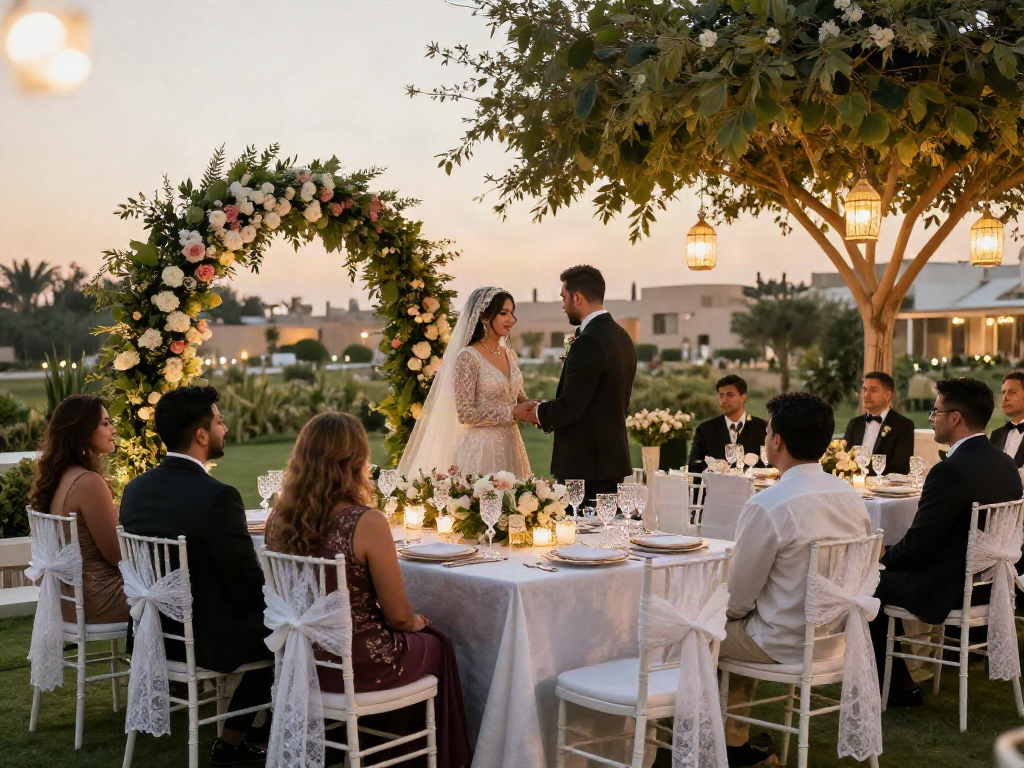
Corporate event planning in Las Vegas is not just about organizing a function; it's about crafting memorable experiences that resonate with attendees. The glitzy backdrop of Las Vegas offers unparalleled opportunities for unique corporate engagements, from conferences to gala dinners. However, to adequately harness the potential of this vibrant city, businesses need to consider various factors. When exploring options, Corporate Event Planning Las Vegas provides comprehensive insights for businesses seeking to create impactful events.
The Role of Event Planning in Successful Gambling Experiences
Las Vegas is synonymous with entertainment and excitement, making it an ideal place for corporate events that align with gambling themes. Successful gambling experiences often leverage the thrilling atmosphere of the city. Event planners skilled in this arena understand how to tap into local attractions, customize events with casino-style games, or even host experiences at renowned casinos to enhance guest engagement. Incorporating these elements can transform a typical corporate gathering into an exhilarating opportunity for networking and team-building.
Key Features of Strategic Venue Selection
Selecting the right venue is crucial in event planning. In Las Vegas, venues come equipped with state-of-the-art technology, luxury accommodations, and unique offerings that cater to various corporate needs. Planners should consider factors such as space requirements, location, and amenities. Venues that offer on-site catering and audiovisual services can streamline the planning process and reduce logistical challenges.
Identifying Your Corporate Event Needs
Every event begins with a clear understanding of its objectives and requirements. This foundational step is essential for aligning your event outcomes with your business goals. An assessment of your company's needs allows for effective budget allocation, helping you decide how much to invest in venues, catering, and entertainment.
Assessing Budget and Logistics for Gambling Events
When planning a corporate event that involves gambling activities, assessing your budget becomes even more critical. Costs can surge quickly, especially when booking high-profile venues or integrating entertainment options like casino tables and host services. By outlining each component—venue, food, entertainment—you can ensure everything aligns with your financial resources. Remember, transparent communication with your event planner will provide clarity as you balance extravagance with financial responsibility.
Incorporating Entertainment Options for Memorable Experiences
Unique entertainment can elevate your corporate event from mundane to memorable. Consider including live performances or interactive stations where guests can engage with casino-style games. From poker tournaments to trivia contests, integrating gamification into your corporate event encourages participation and fosters engagement among attendees. Always ensure that entertainment options align with the preferences of your guests to maximize enjoyment.
How to Choose Between On-site and Off-site Venues
The choice between on-site and off-site venues depends largely on your corporate event's purpose. On-site venues positioned within your company’s facilities can facilitate easy access and save costs. However, off-site venues in Las Vegas can offer stunning backdrops and customizable experiences that an office simply cannot provide. Evaluating your audience's demographics and preferences can significantly influence this decision, ensuring maximum attendance and participation.
Create a Winning Strategy for Your Event
A solid strategy is the backbone of any successful corporate event. It’s essential to build a framework that guides the entire planning process, ensuring no detail is overlooked.
Effective Planning Techniques to Maximize Engagement
Utilize a variety of planning techniques to enhance engagement at your corporate event. Interactive elements such as audience participation sessions, Q&A panels, and live demonstrations can create an engaging atmosphere. Events that encourage guest interactions tend to foster deeper connections and make the experience more enjoyable for everyone involved.
Utilizing Technology for Enhanced Guest Interaction
Integrating technology into your event planning is no longer optional; it’s essential. From registration apps to live polling software, technology can enhance guest interaction. For example, using QR codes for immediate access to event materials or tools for real-time feedback can both streamline operations and enrich the attendee experience. Consider solutions that allow for a seamless integration of both online and offline interactions, especially for hybrid events.
Strategies for Building Partnerships with Vendors
Establishing strong partnerships with vendors is critical for ensuring a successful corporate event. Maintaining a positive professional relationship with your suppliers can lead to better pricing, enhanced service levels, and reliability when it matters most. Your event planner should leverage established connections within the industry to secure favorable terms and ensure that every minute detail meets expectations.
Key Trends in Corporate Event Planning Las Vegas
Understanding the current trends in corporate event planning can help you innovate and stay relevant in the competitive market, particularly in a dynamic city like Las Vegas.
The Shift Towards Sustainable Event Practices
As sustainability becomes a focal point for many companies, incorporating eco-friendly practices into corporate events is increasingly essential. This can include selecting green venues, minimizing waste through efficient catering options, and even sourcing local products. Aligning your event planning with sustainability not only embodies corporate responsibility but also appeals to environmentally conscious attendees.
Embracing Hybrid Events: Balancing In-person and Virtual
Hybrid events that seamlessly blend virtual and in-person experiences are rising in popularity. This model allows companies to reach broader audiences while maintaining intimate settings for those attending in person. Utilizing technology, event planners can live stream presentations and incorporate interactive features for remote attendees, ensuring engagement regardless of location.
Incorporating Local Culture into Your Event Theme
Las Vegas is rich in culture and diversity. Incorporating local themes into your events—whether through food, entertainment, or decor—can enhance the overall experience. Local partnerships with artists or chefs can add authenticity while showcasing the city's unique character. This approach not only enriches attendees' experiences but also strengthens community ties.
Measuring Success: Evaluating Your Corporate Events
Post-event evaluation is vital for understanding the success of your corporate gathering and for planning future events. It helps to assess return on investment (ROI) and gather insights for improvement.
Defining Success Metrics and Key Performance Indicators
Success metrics can vary depending on the goals of your event. Common key performance indicators (KPIs) include attendee satisfaction surveys, engagement levels during the event, and overall attendance rates. Making informed decisions based on quantitative data can help improve strategy and enhance future event outcomes.
Gathering Feedback for Continuous Improvement
Feedback directly from attendees can provide actionable insights into their experiences. Utilize surveys or follow-up interviews to gather thoughts on what worked well and what could be improved. Implementing this feedback loop allows for continuous enhancement of your planning processes and event execution.
Understanding ROI in Event Planning for Businesses
Assessing ROI for your corporate event requires a careful analysis of both tangible and intangible outcomes. Calculating direct costs versus perceived benefits—like networking opportunities, leads generated, and brand exposure—can provide a clearer picture of your event's effectiveness and areas for improvement.